



The Anniversary of the Liberation at the Ravensbrück Memorial Museum
The Ravensbrück Memorial Museum commemorates the anniversary of the liberation each year, in reference to the historical date of the liberation of the Ravensbrück concentration camp by the Red Army on 30 April 1945. The events are organised jointly with the International Ravensbrück Committee.
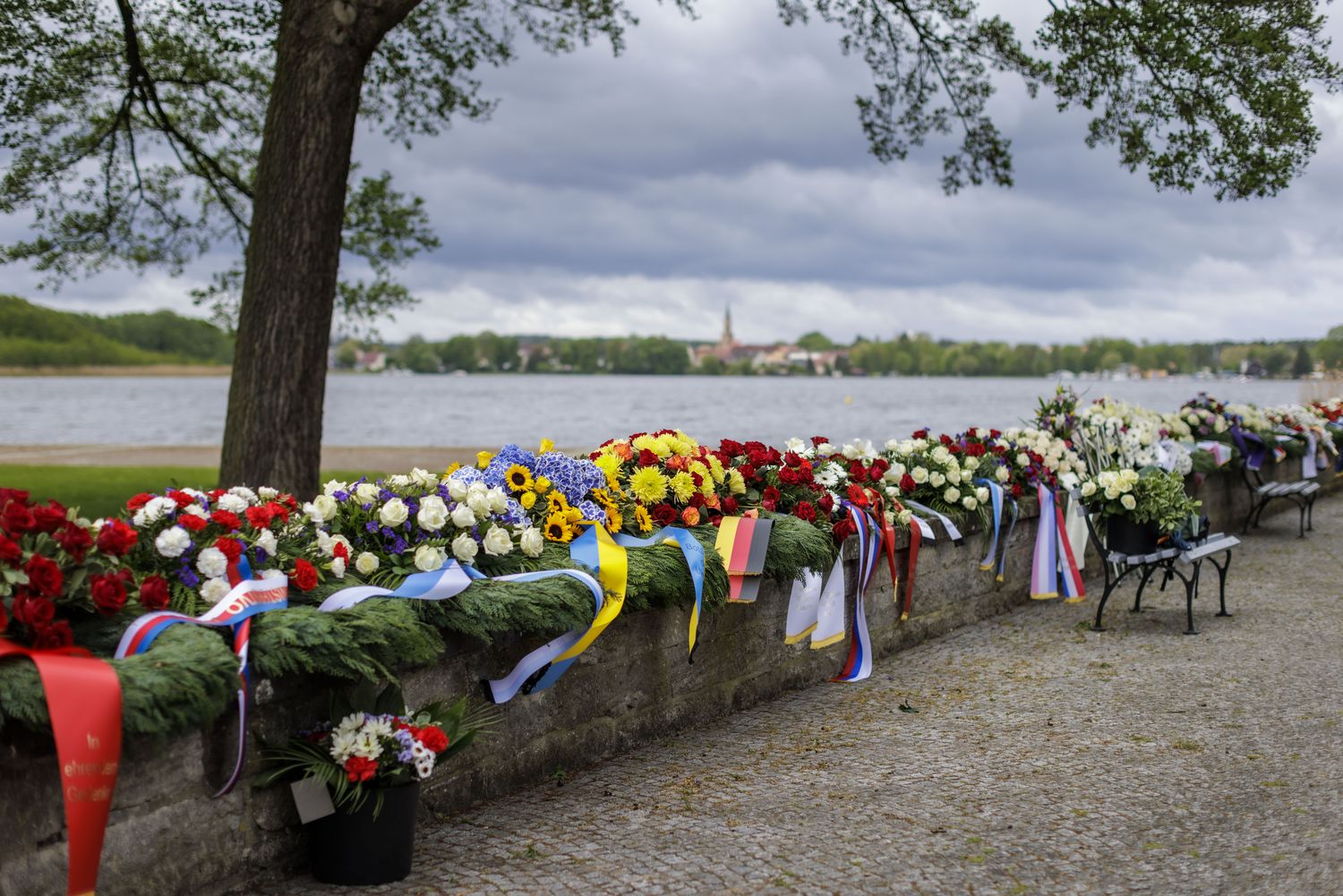
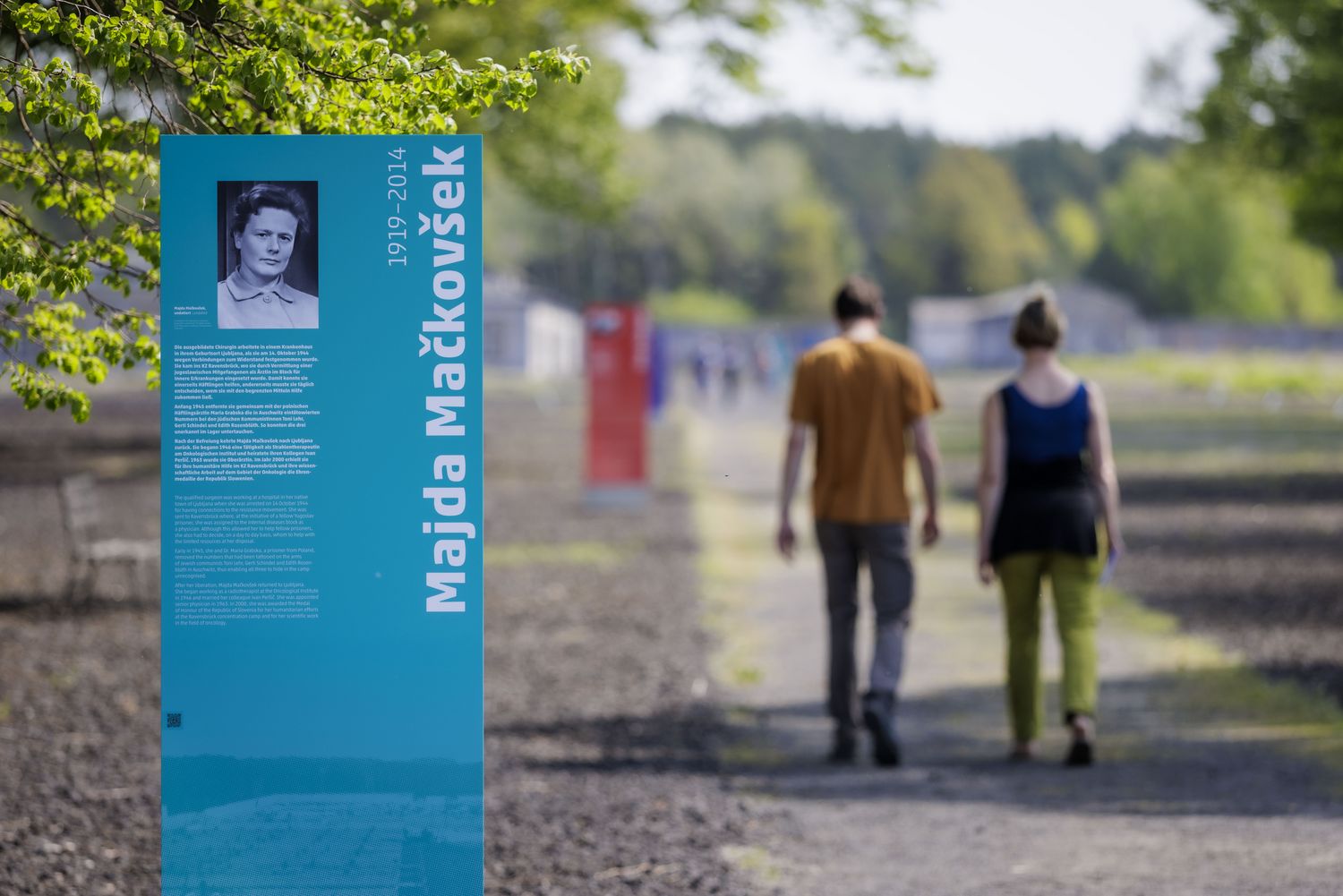
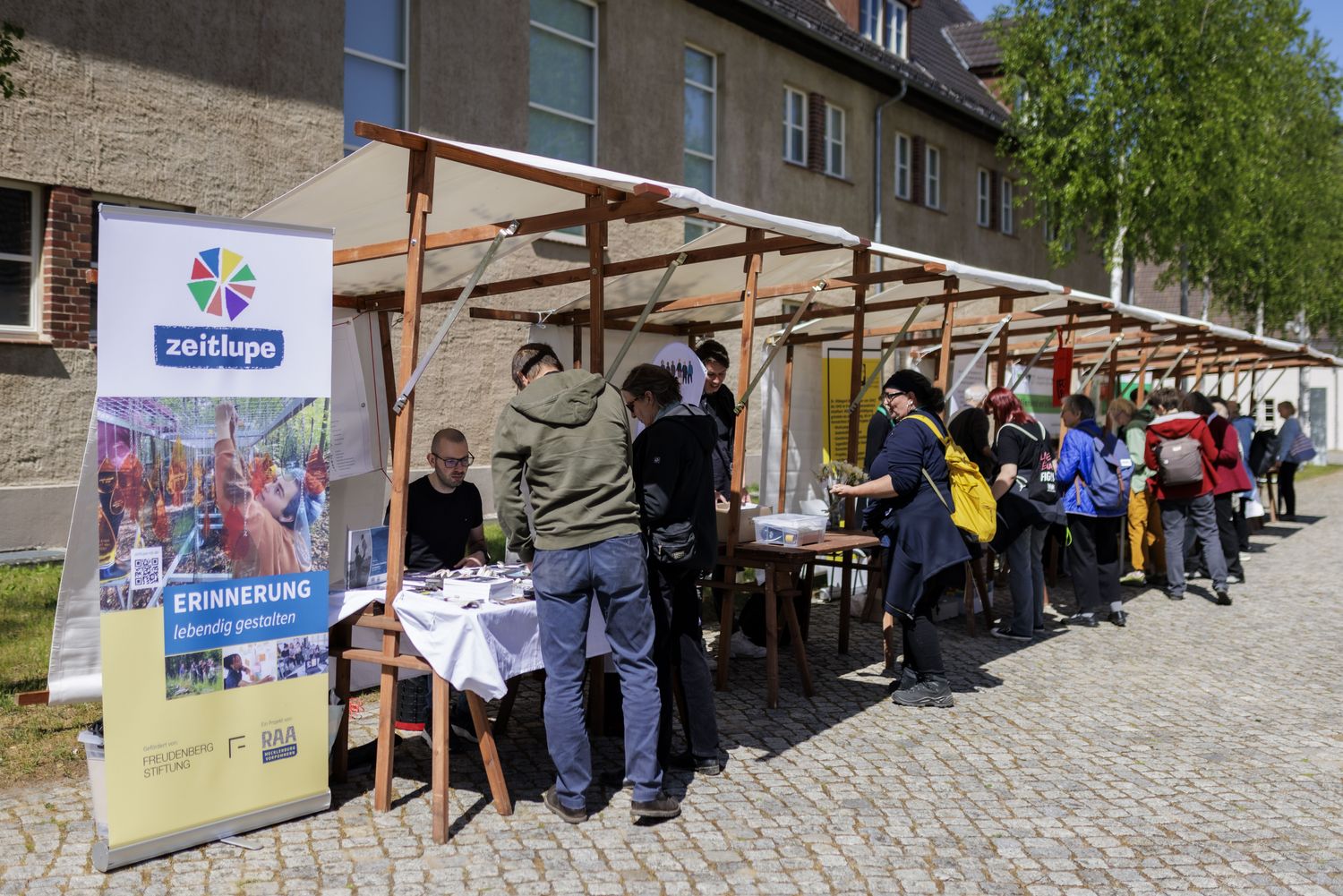
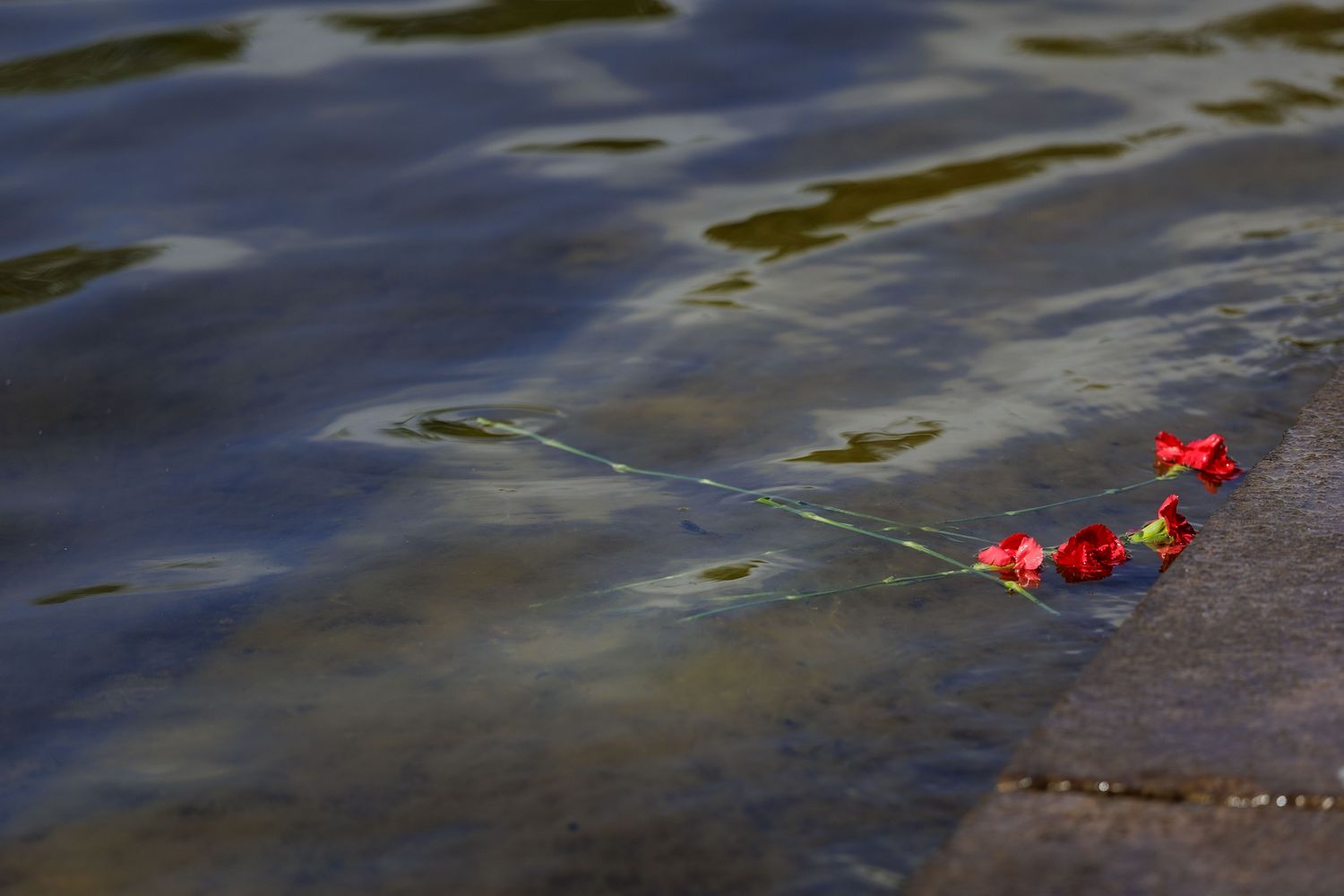
At the centre of the commemorations is the central commemorative ceremony, with contributions from survivors as well as representatives from politics and civil society. It is followed by a wreath-laying ceremony at the shore of the Schwedtsee. The weekend is accompanied by a programme of exhibitions, guided tours, readings and further commemorative events.
81st Anniversary of the Liberation of the Ravensbrück Women’s Concentration Camp
On the weekend of 1 to 3 May 2026, the Ravensbrück Memorial Museum commemorates the liberation of the Ravensbrück women’s concentration camp. The full programme will be published shortly.
The central commemorative ceremony will take place on Sunday, 3 May 2026, at 10:00. Simultaneous interpretation will be provided in German, English, Polish and French. With the kind support of ECHOO Konferenzdolmetschen. Further information is available here: Central Commemorative Ceremony
Participation is only possible with prior registration. The registration deadline is 26 April 2026.
Registration is available via the following form:register here.
Historical Background
Shortly before the end of the war, the International, Swedish, and Danish Red Cross evacuated around 7,500 prisoners to Sweden, Switzerland, and France. Due to an evacuation order, the remaining 20,000 prisoners were forced into marching columns heading northwest. Many died on these death marches. On April 30, 1945, the Red Army liberated the Ravensbrück concentration camp and the approximately 3,000 sick prisoners who had been left behind.
However, liberation did not mark the end of suffering for many women, men, and children. Many of them died in the weeks, months, and years that followed. The survivors often suffered for decades from the consequences of their imprisonment in the concentration camp.
After the liberation, the Soviet army took over large parts of the former concentration camp. Since 1948, former prisoners and the Association of Persecutees of the Nazi Regime have worked to preserve at least the area around the crematorium and to transform it into a place of remembrance. The first memorial ceremony took place there in September 1948. Such commemorations have been held annually ever since and continue to provide a space for encounter, remembrance, and exchange.
